
The blog is an excellent guide on how to say ‘bless you’ in Arabic, especially in an Islamic context. It describes words such as “BarakAllahu Feek” (may Allah bless you in Arabic), “God bless you” in Arabic, and “Allah bless you” in Arabic that are exchanged during interactions among Muslim people. It also addresses how to say “Bless you” in Arabic when sneezing, using the Sunnah response, Yarhamuk Allah.
The article also describes the meaning of essential phrases, such as TabarakAllah, Allah Ya Barik Feek, and Do Muslims say ‘bless you’? These expressions are spiritualities rooted in Islam, offering readers not only cultural insights but also linguistic precision.
What Does “Bless You” Mean in Arabic?
The Arabic version of bless you is most often described as:
- BarakAllahu Feek (بارك الله فيك) – Expressing the meaning of, May Allah bless you.
- Allah Yubarik Feek (الله يبارك فيك )- This is the exact translation of May Allah bless you.
The two expressions are commonly used interchangeably. These words have the same meaning, but BarakAllahu Feek is primarily used in religious contexts, whereas Allah Yubarik Feek is frequently heard throughout the Arab world in everyday conversation.
These are words used in situations like;
- Showing gratitude
- The recognition of an act of kindness
- Answering Islamic greetings
- Offering good wishes when one comes with good news
When used to go to a woman, it would be called BarakAllahu Feeki, and when used to a group, BarakAllahu Feekum. Such differences indicate conclusively that the Arabic language and Islamic culture provide elaborate methods of customising the duas to a given social encounter.
May Allah Reward You in Arabic
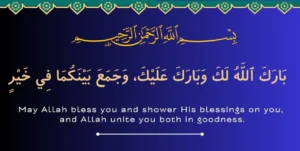
A closely related phrase is JazakAllahu Khayran (جزاك الله خيرًا), which means “May Allah reward you with goodness.” This is often used alongside or instead of BarakAllahu Feek when someone has done something helpful or generous. It’s one of the most appreciated phrases among Muslims, demonstrating genuine gratitude beyond mere worldly thanks.
To respond to JazakAllahu Khayran, one might say:
- Wa iyyak (وإياك) – And to you, too.
- Ameen (آمين) – May it be so.
What Do Muslims Say After Someone Sneezes?
One of the unique aspects of Islamic etiquette is the guidance provided for everyday situations, including sneezing.
According to the Sunnah of Prophet Muhammad ﷺ, there is a specific exchange that should take place when a person sneezes.
Step 1: The Person Who Sneezes Says
الحمد لله
Alhamdulillah
Meaning: All praise belongs to Allah.
Step 2: The Listener Responds
يرحمك الله
Yarhamuk Allah
Meaning: May Allah have mercy on you.
Step 3: The Sneezing Person Replies
يهديكم الله ويصلح بالكم
Yahdikum Allah wa Yuslih Balakum
Meaning: May Allah guide you and improve your condition.
This beautiful interaction transforms a simple everyday action into an opportunity to remember Allah and make dua for one another.
If you are searching for “Bless You when someone sneezes in Arabic,” the correct Islamic phrase is Yarhamuk Allah.
God Bless You in the Arabic Language
There are several ways to express “God Bless You” in Arabic, depending on the situation.
BarakAllahu Feek
May Allah bless you.
Allah Yubarik Feek
May Allah bless you.
Fi Amanillah
(في أمان الله)
Meaning: May you remain in the protection of Allah.
Allah Ma’ak
(الله معك)
Meaning: May Allah be with you.
These expressions are often used when saying goodbye, offering support, or wishing someone well.
Common Islamic Blessings in Arabic with Tashkeel
| English Blessing | Arabic | Transliteration |
|---|---|---|
| May Allah bless you | بَارَكَ ٱللّٰهُ فِيكَ | Bārakallāhu fīk |
| May Allah reward you with goodness | جَزَاكَ ٱللّٰهُ خَيْرًا | Jazākallāhu khayran |
| May Allah have mercy on you (after sneeze) | يَرْحَمُكَ ٱللّٰهُ | Yarḥamuka Allāh |
| May Allah guide you | هَدَاكَ ٱللّٰهُ | Hadākallāh |
| May Allah protect you | حَفِظَكَ ٱللّٰهُ | Ḥafiẓaka Allāh |
| May Allah be with you | ٱللّٰهُ مَعَكَ | Allāhu maʿak |
| May you be in Allah’s protection | فِي أَمَانِ ٱللّٰهِ | Fī Amāni Allāh |
| May Allah ease your matters | يَسَّرَ ٱللّٰهُ أُمُورَكَ | Yassara Allāhu umūrak |
| May Allah grant you success | وَفَّقَكَ ٱللّٰهُ | Waffaqqaka Allāh |
| May Allah cure you | شَفَاكَ ٱللّٰهُ | Shafākallāh |
| May Allah increase your blessings | زَادَكَ ٱللّٰهُ مِنْ فَضْلِهِ | Zādaka Allāhu min faḍlih |
| May Allah make it easy for you | سَهَّلَ ٱللّٰهُ أَمْرَكَ | Sahhala Allāhu amrak |
Cultural Context: God Bless in the Muslim Language
It is common to use religious phrases in the Islamic and Arabic-speaking world. An individual could say, “Allah yubarik fik” when commending an individual or “Baraka Allahu fik” when receiving good news. Such expressions serve many purposes:
- Expressing joy
- Offering protection
- Recognising the effort of a person
These words substitute secular expressions, such as ‘good luck’ or ‘take care,’ with those that emphasise the will of Allah. That is the reason why Muslims would say May Allah be with you or May God bless you instead of saying earthly words.
Why Are Islamic Blessing Phrases Important?
Islam encourages Muslims to spread kindness through both actions and words. Phrases such as BarakAllahu Feek, JazakAllahu Khayran, and Yarhamuk Allah are more than cultural expressions. They are acts of worship that help believers remember Allah throughout the day.
These phrases:
- Strengthen relationships
- Promote gratitude
- Encourage kindness
- Increase remembrance of Allah
- Build stronger communities
- Spread positivity and goodwill
By using these expressions regularly, Muslims can turn everyday conversations into opportunities for reward and spiritual growth.
Final Thoughts
Learning how to say Bless You in Arabic opens the door to understanding the beauty of Islamic manners and Arabic expressions. Whether you use BarakAllahu Feek, Allah Yubarik Feek, JazakAllahu Khayran, or Yarhamuk Allah, each phrase carries a sincere prayer and a reminder of Allah’s blessings.
These expressions have been used by Muslims for generations to show appreciation, spread kindness, and strengthen relationships. By incorporating them into your daily life, you can make your conversations more meaningful while following the beautiful teachings of Islam.
بارك الله فيكم
May Allah bless you all with guidance, mercy, and abundant blessings.